
The Earth Civil War (2260–2261) was a brutal internal conflict within the Earth Alliance, fought between the authoritarian regime of President William Morgan Clark and a coalition of loyalist and breakaway forces led by John Sheridan and his allies. Born from fear, propaganda, and the abuse of power after the Earth–Minbari War, the war ended with the fall of Clark’s government — but left deep political and moral scars on Humanity.
Event Overview
- Name: Earth Civil War (also known as the Earth Alliance Civil War)
- Date: 2260–2261 CE
- Primary Factions:
- Clark’s EarthGov regime, including loyal EarthForce units, Nightwatch, and Earth intelligence agencies
- Breakaway EarthForce units, resistance cells, and allies centered on Babylon 5 and the emerging Interstellar Alliance
- Key Theaters: Earth Alliance colonies (Proxima, Orion, Mars), deep-space engagements, Sol system, Babylon 5’s operational area
- Outcome: Overthrow of Clark’s regime, restoration (imperfect) of democratic government in the Earth Alliance
The war is remembered as both a necessary rebellion against tyranny and a tragic conflict that pitted Human against Human on a galactic stage.
Background
The Earth Civil War has its roots in the aftermath of the Earth–Minbari War and the rise of Clark.
Key factors leading to war:
- Post-War Trauma: Defeat and near-extinction at Minbari hands left Earth’s population fearful and susceptible to promises of security and strength.
- Clark’s Rise to Power:
- William Morgan Clark became Vice President under President Santiago.
- Santiago’s death in a suspicious transport explosion cleared Clark’s path to the presidency.
- Authoritarian Drift:
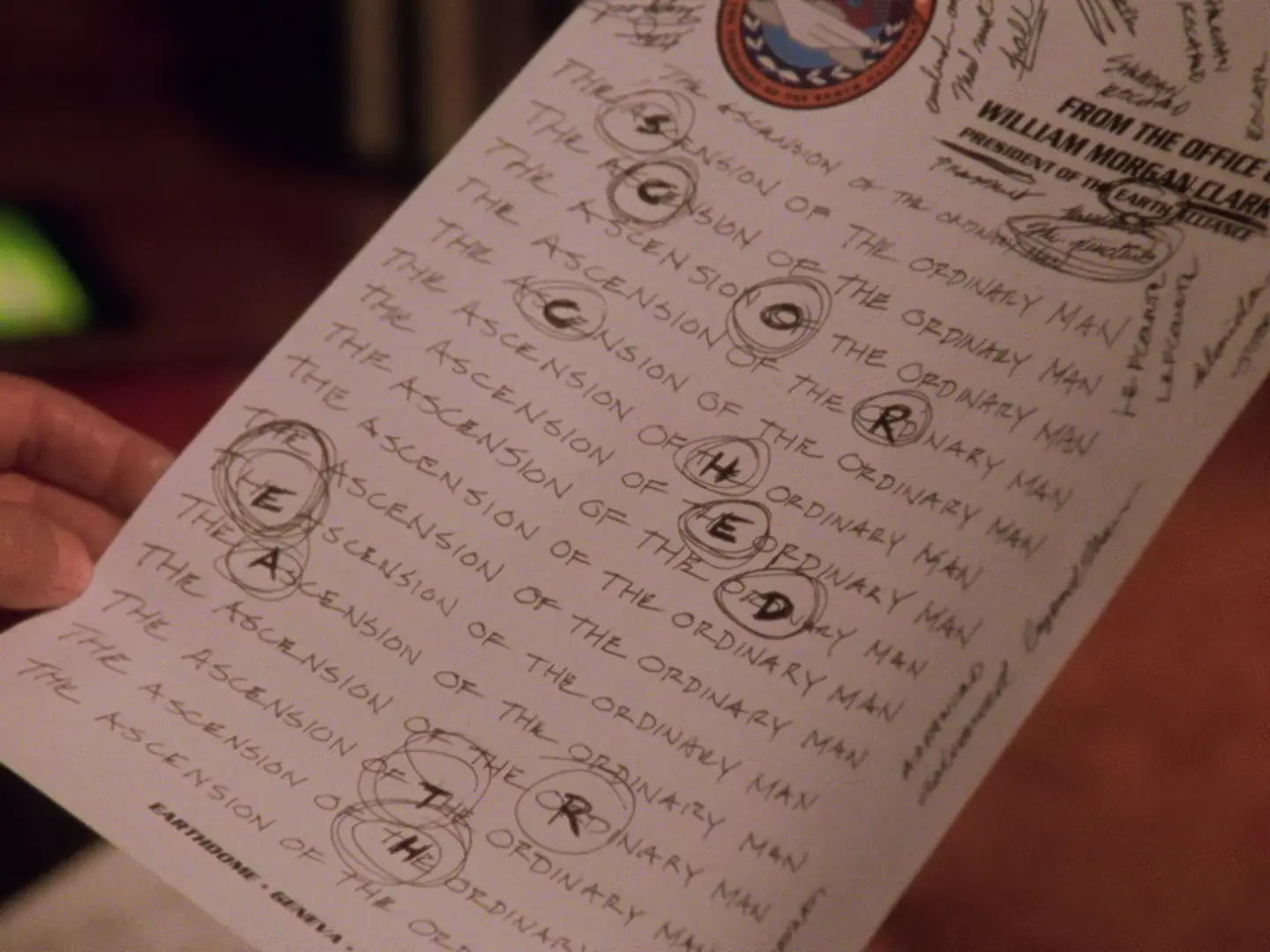
- Clark’s administration expanded internal security powers, restricted the press, and used fear of aliens and telepaths to justify surveillance and repression.
- Organizations like the Ministry of Peace and Nightwatch were created or empowered to control public discourse and root out “disloyalty”.
- Psi Corps Influence: Psi Corps gained increasing, often hidden influence over government policy and covert operations.
By 2260, EarthGov under Clark had become a near-totalitarian regime, using EarthForce and propaganda to maintain control.
Babylon 5’s Break with Earth
Babylon 5 stood at the center of the growing crisis.
- Tipping Point:
- Clark ordered EarthForce ships to attack civilian targets and suppress dissent across the Alliance.
- Evidence implicating Clark in Santiago’s assassination and ties to agendas later associated with the Shadows.
- Declaration of Independence:
- Captain John Sheridan, with support from his command staff and several alien governments, declared Babylon 5 independent from Earth.
- The station formally broke away, becoming a de facto neutral city-state and rallying point for opposition.
- Retaliation Attempt:
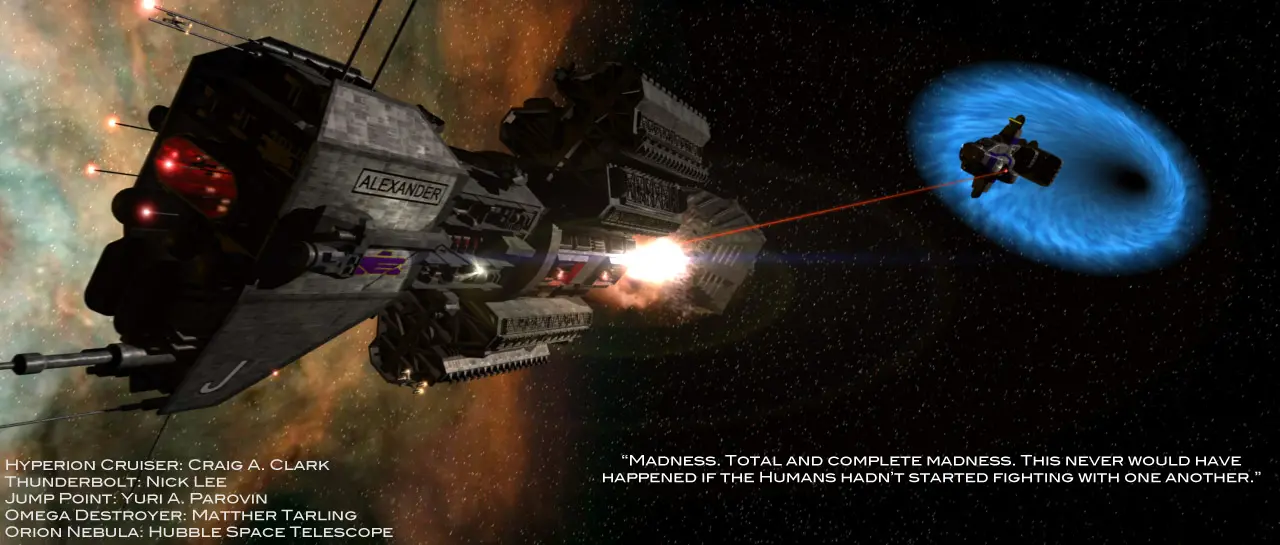
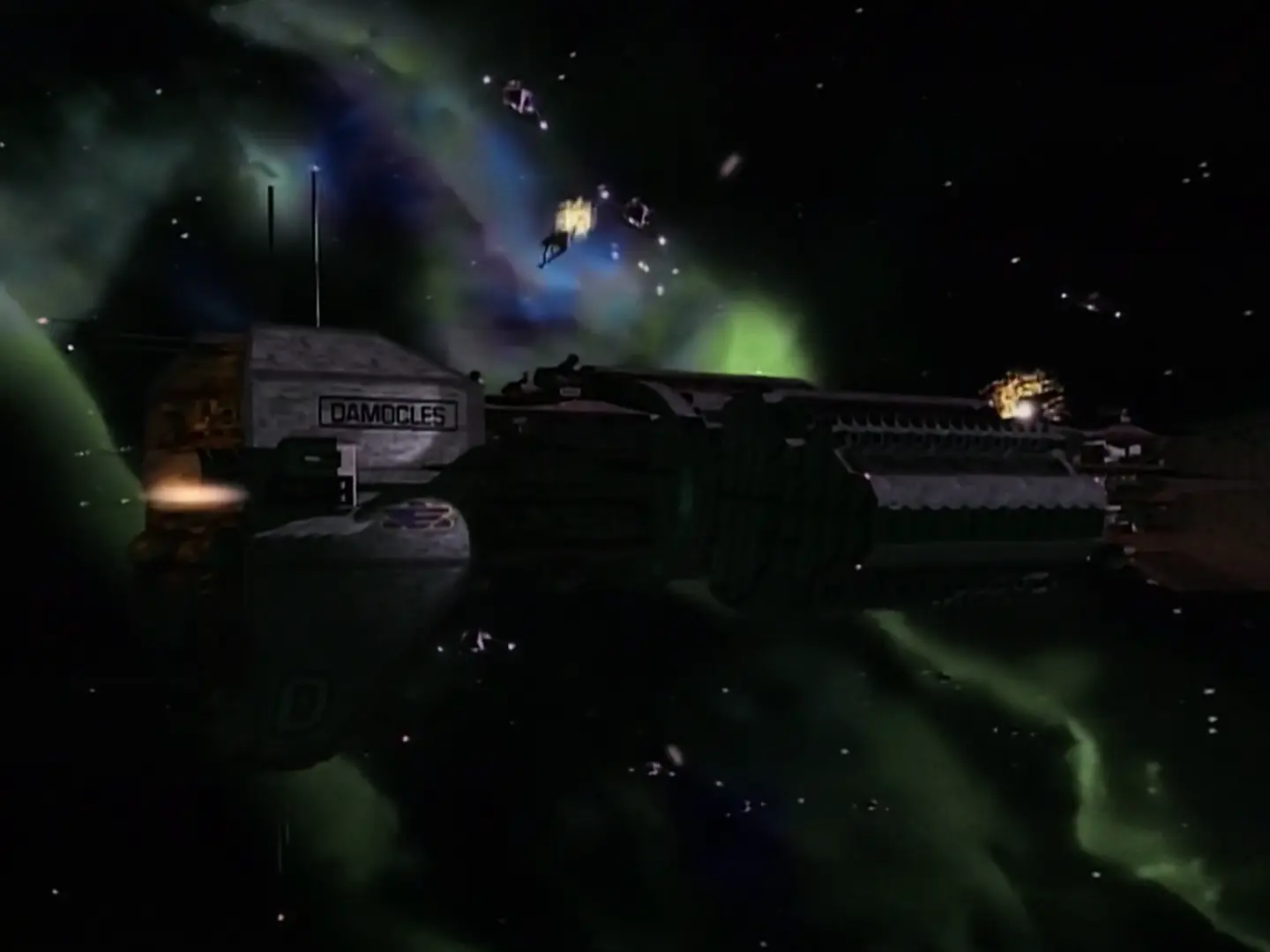
- Clark sent a loyalist EarthForce task force to retake or destroy the station; rebel ships like the EAS Alexander fought on Babylon 5’s side.
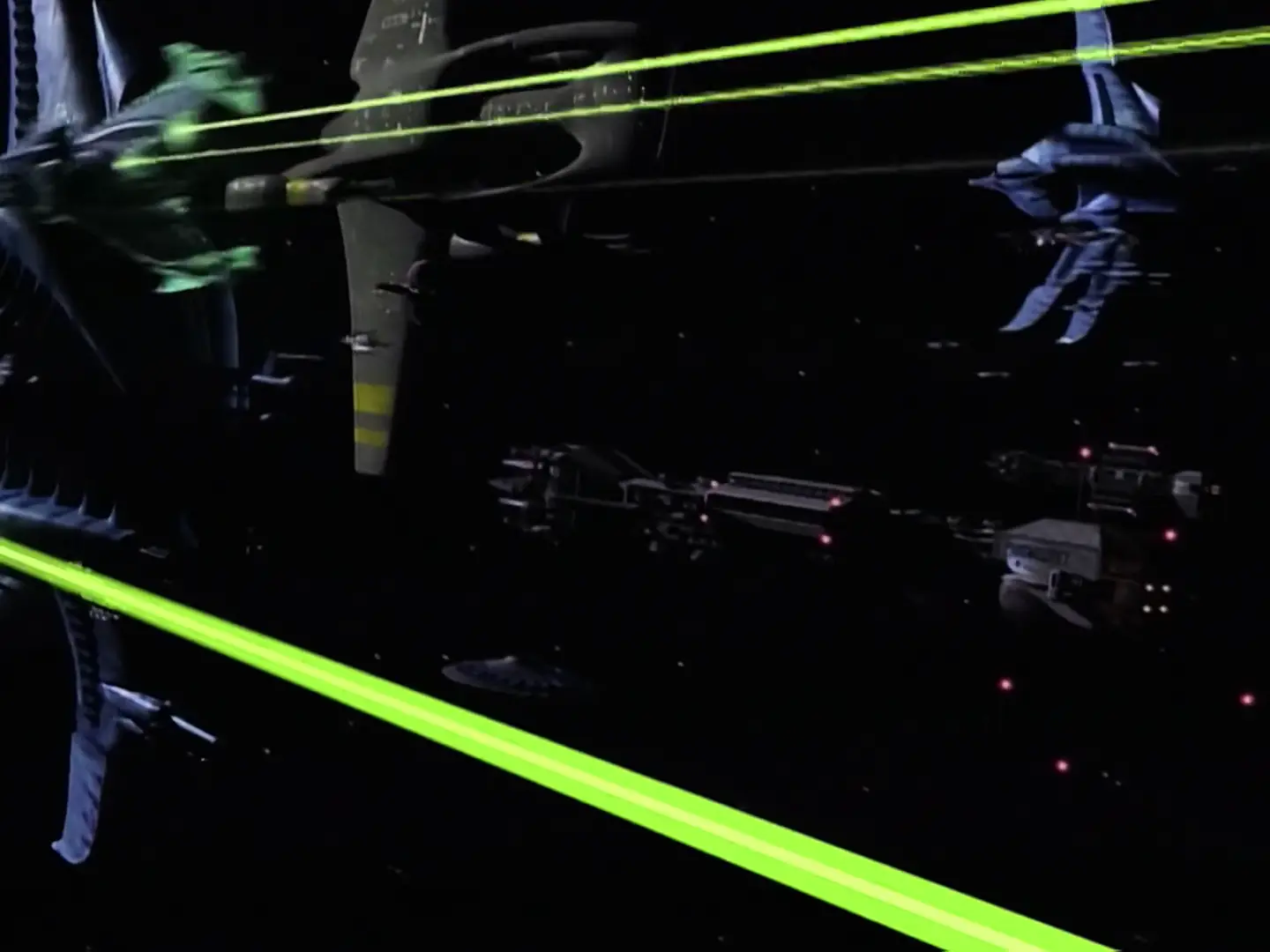
- In the battle that followed, Babylon 5’s forces — with crucial aid from Minbari and Narn — repelled the attack.
This marked the open beginning of the Earth Civil War: the point at which resistance became active, armed rebellion.

Course of the War
Resistance & Coalition Building
- Sheridan and his allies used Babylon 5 as a base to coordinate with sympathetic EarthForce captains, resistance cells on colonies, and alien governments.
- Propaganda and counter-propaganda wars raged, with Clark’s media labeling Sheridan a traitor and alien puppet.
- Expanded lore describes covert operations, smuggling of supplies, and intelligence-sharing networks between B5 and Earth-based opposition.
Campaigns in the Colonies
Key battlefronts included:
- Proxima III & Orion:
- Several EarthForce units around Proxima and Orion declared neutrality or open opposition to Clark.
- Sheridan led a fleet to those systems, offering Clark-loyal captains a chance to stand down or defect rather than be destroyed.
- The resulting engagements showcased Sheridan’s strategy: win if possible, refuse unnecessary bloodshed, and avoid turning the war into a simple power grab.
- Mars & Resistance Activity:
- Mars, long resentful of Earth’s control, became a major resistance hub.
- Clark’s regime responded with crackdowns, martial law, and eventually the bombardment of civilian targets on Mars.
- Covert aid from Babylon 5 and sympathetic alien governments helped the resistance survive long enough to assist Sheridan’s final campaign.
Turning the Tide
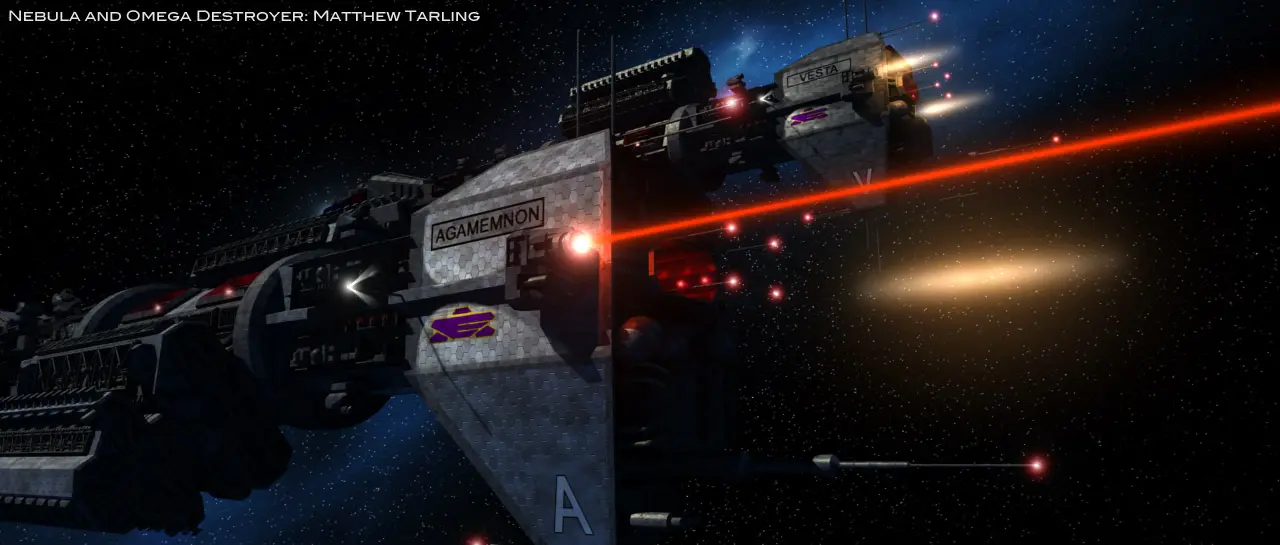
- As more EarthForce officers saw the extent of Clark’s abuses — and his willingness to attack civilians — defections increased.
- Alliance support (especially Minbari and Narn resources) gave Sheridan’s coalition strategic advantages in intelligence, logistics, and technology.
By late 2261, the balance of power had shifted. Sheridan prepared to take the war directly to Earth.
The Battle for Earth
The final phase of the war unfolded in and around the Sol system.
- Approach to Earth:
- Sheridan’s combined fleet advanced toward Earth, liberating or neutralizing loyalist forces along the way.
- At each battle, he offered surrender and clemency where possible, seeking to avoid unnecessary killing of fellow Humans.
- Orbital Standoff:
- Upon reaching Earth, Sheridan’s forces faced powerful planetary defenses and loyalist fleets.
- Massive destruction loomed — not just for combatants, but potentially for Earth itself if the conflict escalated.
- Clark’s Final Act:
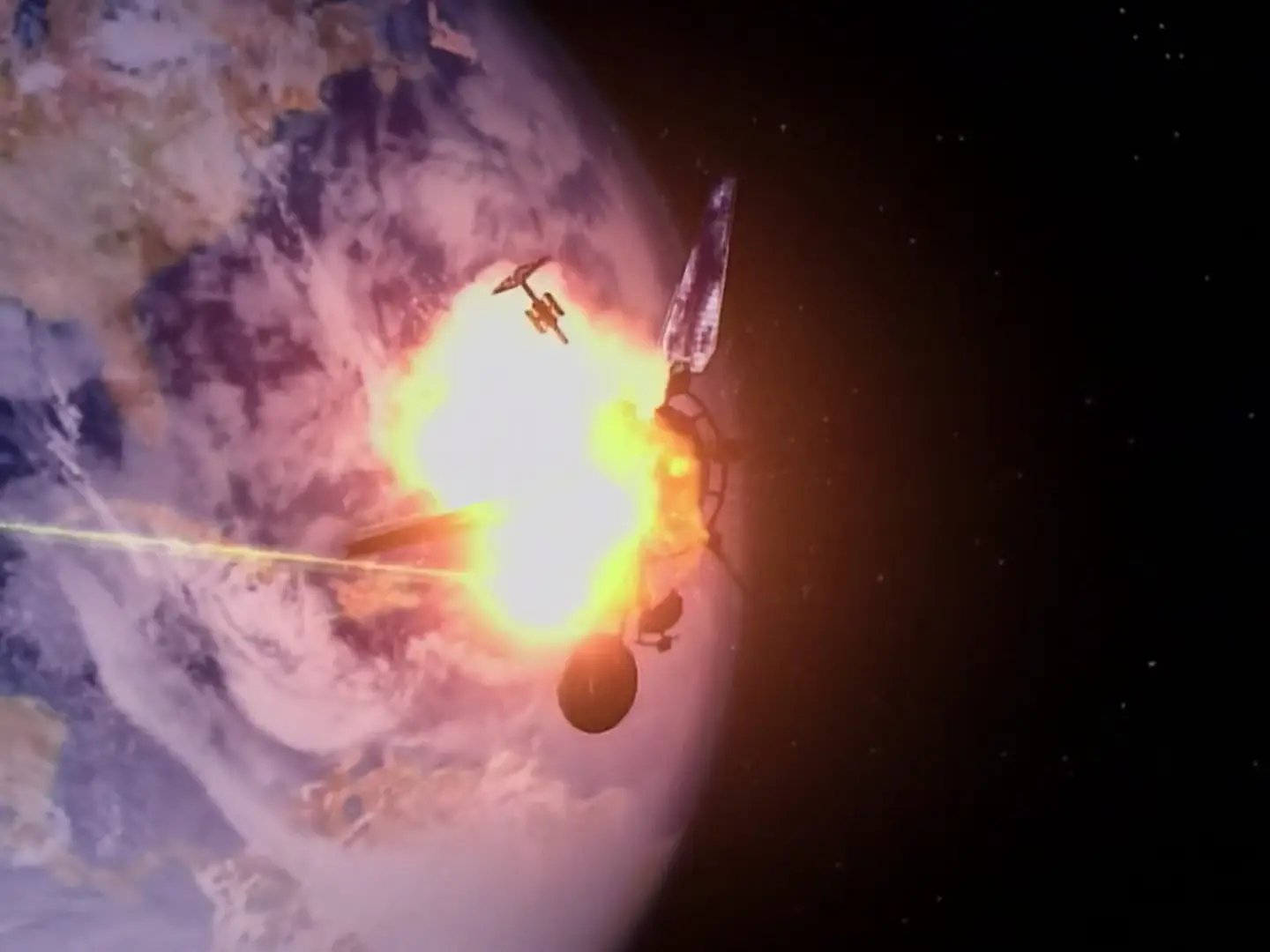
- Facing imminent defeat and increasingly unstable, Clark ordered planetary defense platforms to target Earth—effectively attempting mass murder of his own world.
- He then committed suicide in his office, leaving a note referencing the darkness “that is coming” and his role in serving it.
- Prevention of Catastrophe:
- Sheridan’s fleet and allied forces rushed to disable or override the defense platforms before they could complete their attack.
- Several ships were lost in the effort, but Earth was saved from catastrophic bombardment.
With Clark dead and his worst order thwarted, the war effectively ended.
Aftermath & Political Consequences
The end of the Earth Civil War did not instantly heal the Alliance.
- Restoration of Civil Government:
- A provisional government and later elected leaders began the process of restoring democratic institutions and rolling back emergency powers.
- War crimes investigations targeted key figures in Clark’s security services and Nightwatch structures.
- Lingering Divisions:
- Some Earth citizens continued to believe Sheridan and his allies were traitors or alien puppets.
- Tensions remained between those who supported Clark out of fear, those who resisted, and those who had simply tried to survive.
- Earth & the Interstellar Alliance:
- Earth eventually joined the Interstellar Alliance, with Sheridan serving as its first President.
- Earth’s role within the Alliance was shaped by the memory of how quickly democracy had decayed — and how costly its restoration had been.
In many ways, the Civil War forced Earth to confront not just external threats, but its own capacity for authoritarianism and resistance.
Legacy
The Earth Civil War is remembered as:
- A necessary rebellion that stopped a tyrant from fully weaponizing the Earth Alliance against its own people and the wider galaxy.
- A tragic conflict in which Humans destroyed their own ships, cities, and lives — not for alien territory or resources, but for control of their own government.
- A key chapter in the story of Earth’s maturation: from traumatized, fearful power to a more self-aware member of the galactic community.
It stands alongside the Earth–Minbari War and Shadow War as one of the three great crucibles that defined Humanity’s 23rd-century destiny.
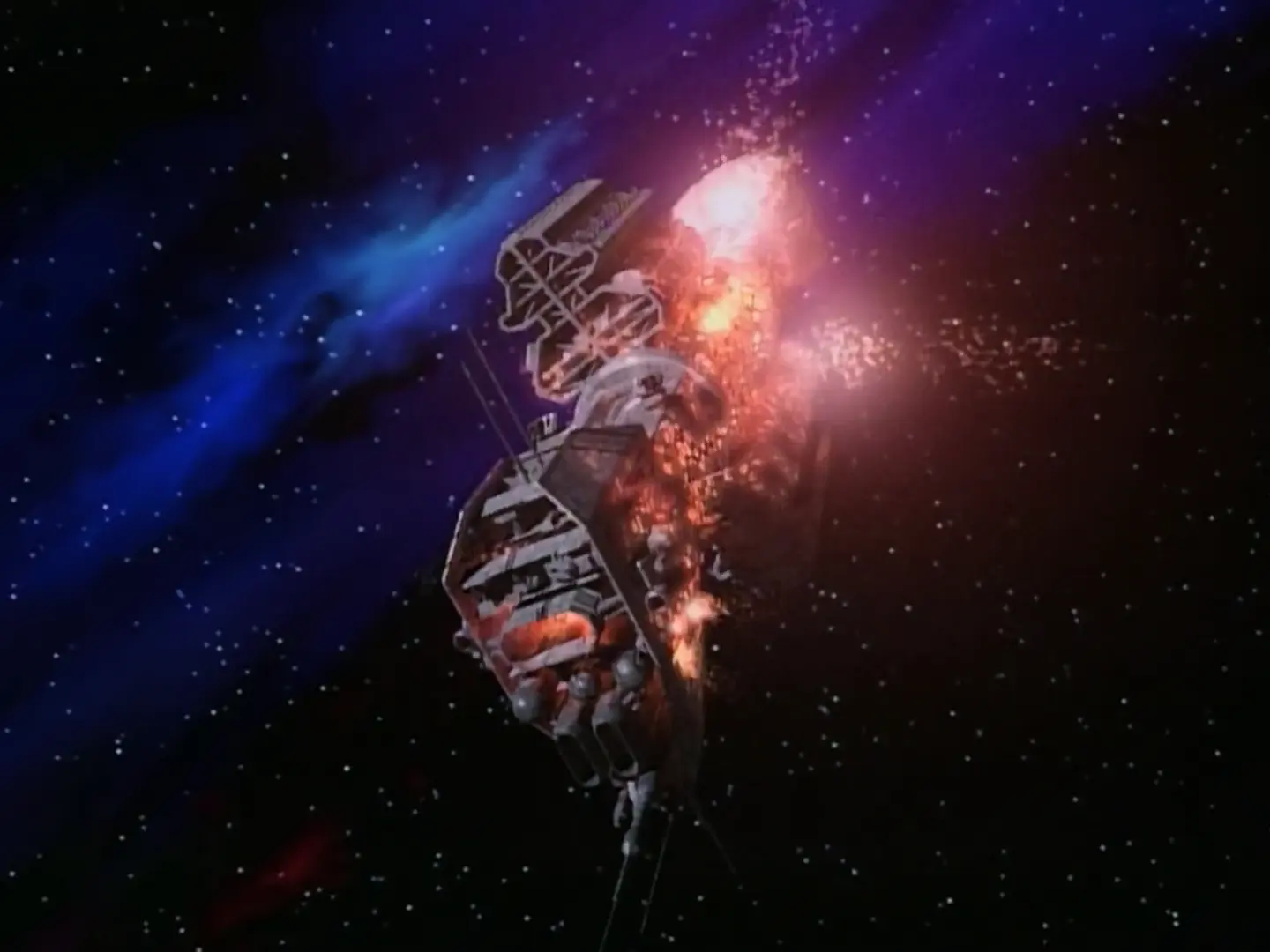
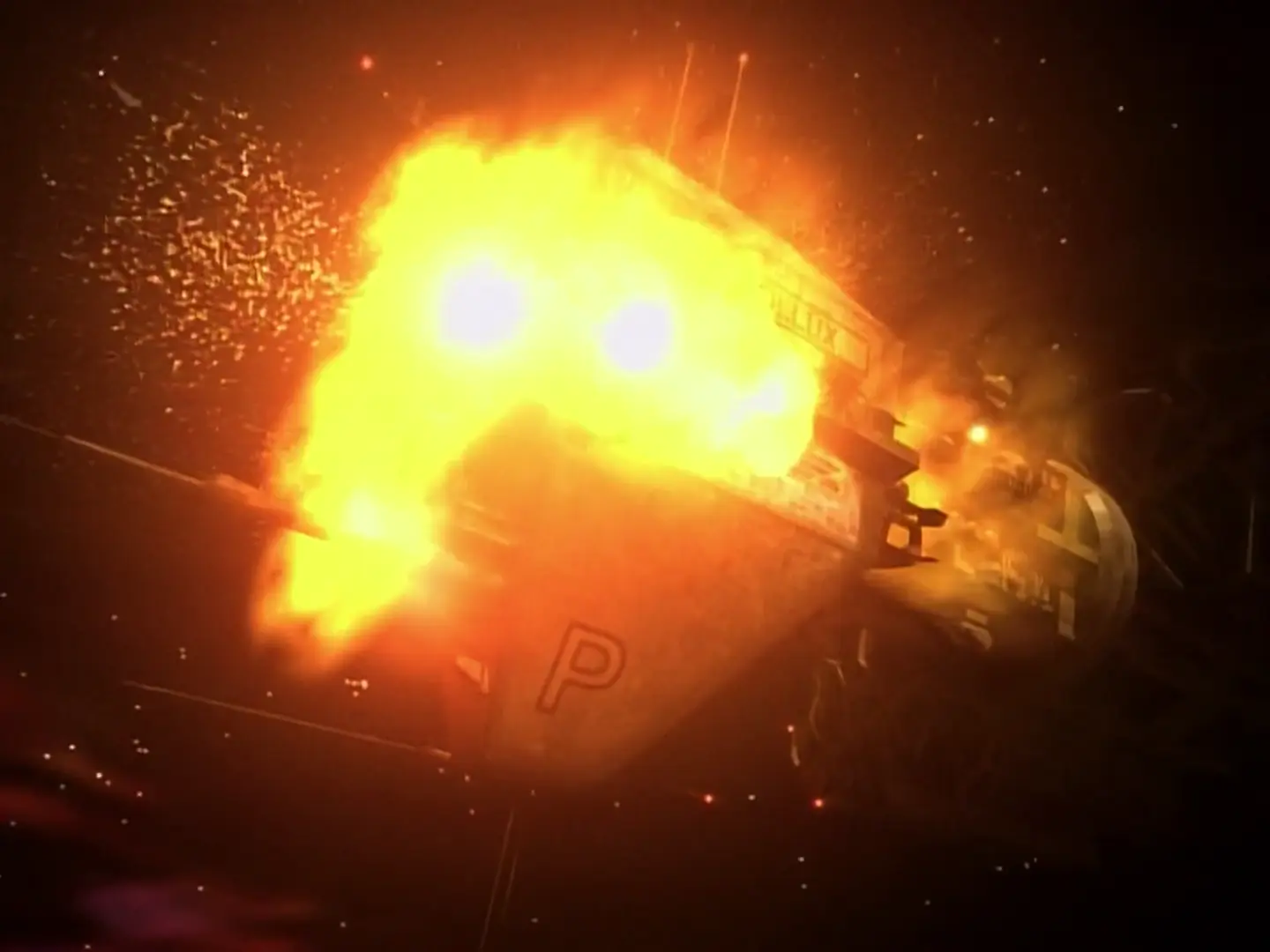
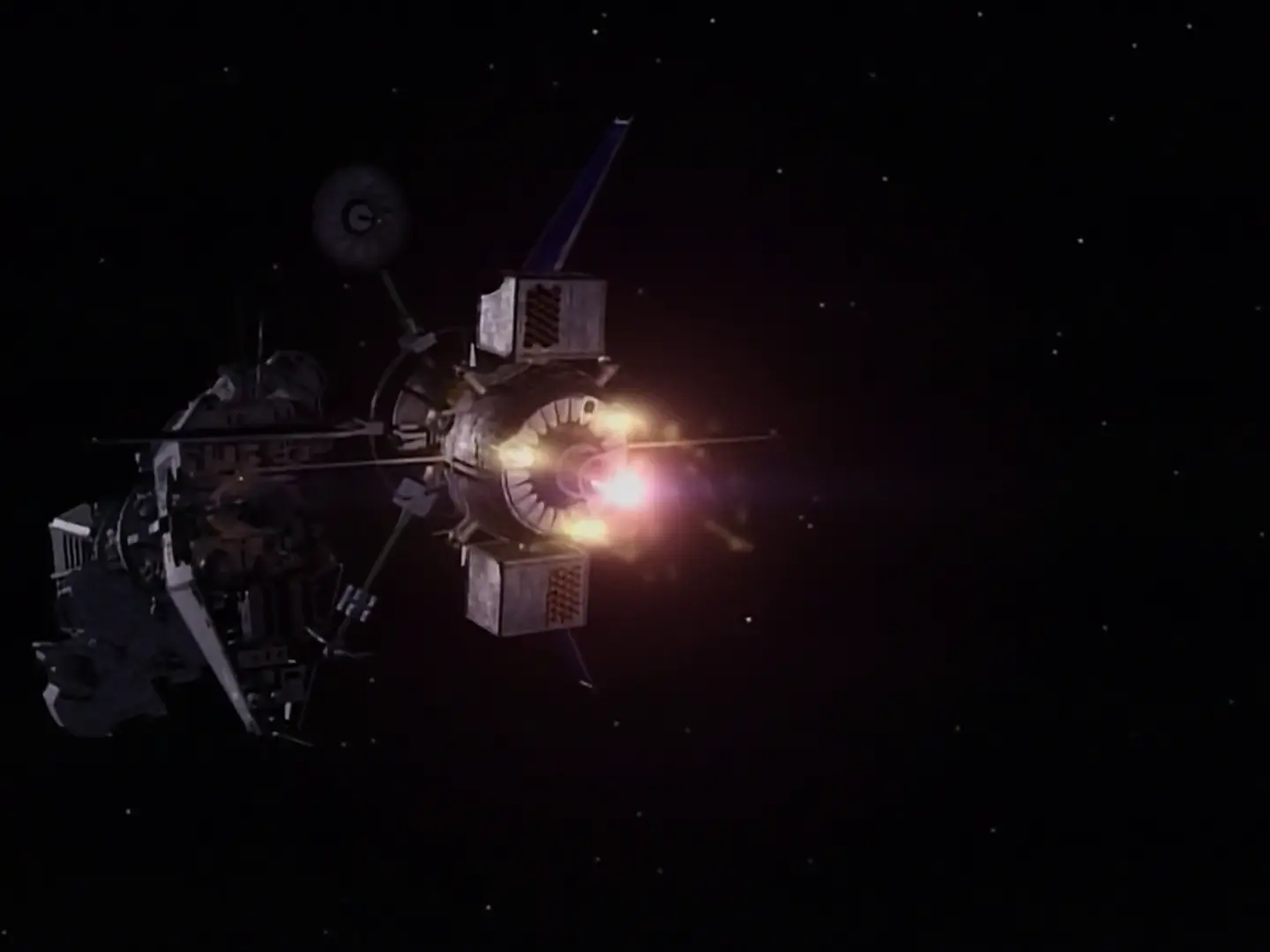
Earth Civil War Screenshot Gallery






See Also
- Earth Alliance — Faction Record
- EarthForce — Organization Record
- Nightwatch — Organization Record
- Psi Corps — Organization Record
- Babylon 5 — Station Record
- Interstellar Alliance — Government Record
- Mars Colony — Location Record
Sources & References
- Babylon 5 episodes: “Severed Dreams,” “Ceremonies of Light and Dark,” “Endgame,” “Rising Star”
- Reference sites: VEx (FrostJedi), B5Tech
- The Babylon 5 Encyclopedia (J. M. Straczynski, 2017)
- Expanded lore: Babylon 5 novels and RPG sourcebooks covering Clark’s regime, resistance activity, and post-war political reforms